


10 Warning Signs You’re Not Eating Enough Fibre Rich Foods
- Home
- /
- Health & Wellness Tips
- /
- 10 Warning Signs You’re...
You must have noticed that people are always checking food labels to see how many calories are in their snacks. Most of us pay a lot of attention to how much sugar or fat we eat every day. But there is one extremely important part of our daily diet that almost everyone completely forgets about, and that is fibre.
Medical experts and dietitians constantly talk about how important it is to eat fibre-rich foods, but the honest truth is that most people are barely getting half of what their bodies actually need. According to health groups like the American Heart Association, a normal adult should be eating about 25 to 30 grams of fibre every single day. However, studies show that most adults only eat about 15 grams a day.
When your body is missing out on this much-needed nutrient, it starts sending you warning signs. Sometimes these signs are very obvious, like stomach pain, but other times they are sneaky, like feeling tired all day.
Let us look closely at what fibre actually does, the ten clear warning signs that you are not eating enough of it, and the simple ways you can add more to your daily meals.
What Does Fibre Actually Do?
Before we look at the warning signs, it helps to understand how fibre works. Fibre is just a type of carbohydrate found in plant foods like vegetables, fruits, and beans. But unlike other carbs, your body cannot actually digest it.
Instead of breaking it down for energy, your body pushes the fibre straight through your stomach and intestines. As it moves through you, it acts like a natural scrub brush. It cleans out your stomach, absorbs extra water, and helps push waste out of your body smoothly.
When you do not eat enough of it, your entire digestive system slows down, and that causes a chain reaction of problems all over your body. Here are the ten most common warning signs to watch out for:
1. You Have Trouble Going to the Bathroom
This is always the very first and most obvious sign. If you find yourself sitting in the bathroom for a long time, straining, your stomach is begging for more fibre. Fibre pulls water into your stool, making it soft and easy to pass. If you are dealing with this uncomfortable problem, adding fibre-rich foods for constipation, like whole oats and raw apples, to your daily routine can make things move smoothly again within just a few days.
2. You Feel Hungry Right After Eating
Have you ever eaten a large meal and then felt your stomach rumbling just an hour later? This happens when your meals do not have enough bulk to keep you full. Fibre takes up a lot of physical space in your stomach, and it digests very slowly. When you mix protein and fibre-rich foods together on your plate, like eating a bowl of lentils or eggs with whole wheat toast, it tells your brain that you are completely full and keeps you satisfied for hours.
3. You Are Struggling to Lose Weight
When you always feel hungry, it is very hard to stick to healthy portion sizes. People who do not eat enough fibre usually end up snacking a lot more throughout the day because their meals simply do not keep them full. Studies have shown that people who eat fibre-rich foods for weight loss naturally eat fewer calories without even trying. The food takes longer to chew and longer to digest, which naturally stops you from overeating.
4. You Are Dealing With Piles (Haemorrhoids)
This is a topic that many people feel too shy to talk about, but it is incredibly common. When you do not eat enough fibre and get constipated, you end up pushing and straining very hard in the bathroom. This hard pushing causes the veins in your lower body to swell up and hurt, which is how piles form. Eating a steady amount of fibre-rich food for piles, like green leafy vegetables and soaked chia seeds, softens everything up so you never have to strain again.
5. You Get Really Sleepy After Lunch
If you always feel like you need a nap right after eating a meal, your blood sugar is probably crashing. When you eat a meal with no fibre, like white rice or plain white bread, the sugar from that food rushes into your blood very quickly. It gives you a fast burst of energy, but then you crash hard and feel exhausted. Fibre slows down how fast the sugar enters your blood, giving you steady, normal energy all day long.
6. Your Cholesterol Numbers Are High
You might think that cholesterol is only tied to eating too much greasy or fried food, but fibre plays a massive role here too. Medical researchers have proven that soluble fibre acts almost like a sponge inside your body. As it moves through your stomach, it actually soaks up bad cholesterol and carries it out of your body before it can clog up your heart. If your doctor tells you your cholesterol is creeping up, eating a bowl of oatmeal every morning is a proven way to help bring it down.
7. You Constantly Feel Bloated
When food moves too slowly through your digestive tract because there is no roughage to push it along, it sits there and starts to create gas. This trapped gas makes your stomach swell up and feel tight and uncomfortable. While eating too much fibre all at once can also cause bloating, not having enough is usually the main reason people feel heavy and sluggish after eating a normal meal.
8. Your Blood Sugar Levels Are Unsteady
If you have been told that you are pre-diabetic, your diet is the first thing you need to look at. Just like it prevents energy crashes, fibre stops those dangerous blood sugar spikes. Doctors always tell their patients to eat whole grains instead of refined grains simply because the fibre acts like a natural brake pedal, stopping sugar from overwhelming your system.
9. You Get Random Stomach Cramps
Your stomach and intestines are made of muscles that squeeze together to move food downward. When your stool is hard and dry because it lacks water and fibre, those muscles have to squeeze and work much harder than they should. This heavy squeezing can cause annoying stomach cramps and pain that comes and goes throughout the day.
10. You Just Feel Heavy and Sluggish
Your digestive system is the engine of your body. When it is backed up and moving slowly, your entire body feels slow. You might feel a lack of motivation, a heavy feeling in your gut, or just a general sense of feeling unwell. A clean and moving digestive system makes you feel much lighter and gives you a much better mood.
How to Add More Fibre to Your Daily Meals
Now that you know the warning signs, the good news is that fixing this problem is very easy and does not require any expensive medicine. You just need to eat real, whole foods.
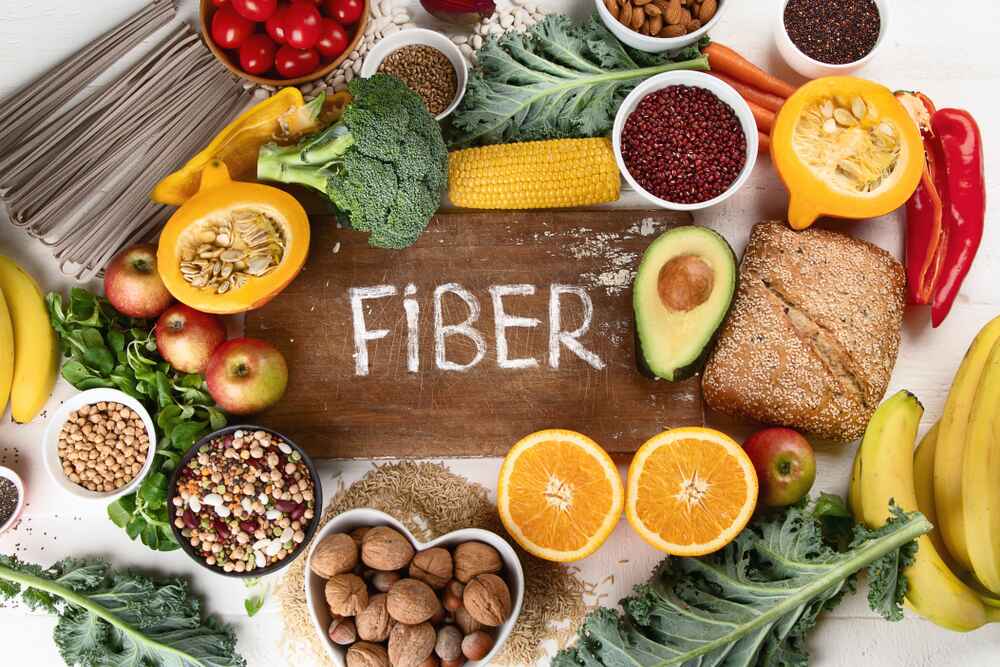
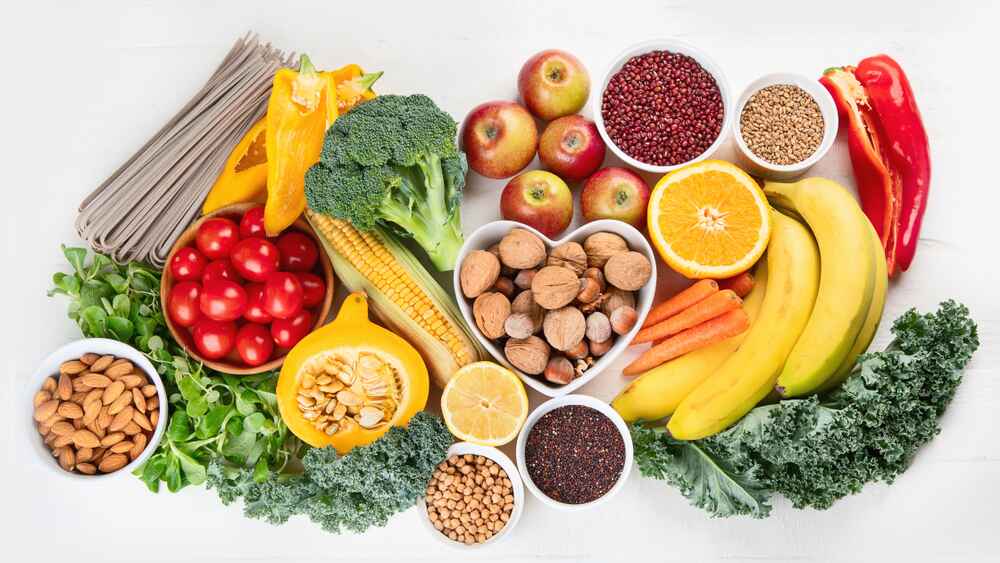
If you are looking for the best fibre-rich foods to add to your grocery list, start in the produce and grain aisles. Beans, lentils, chickpeas, and green peas are absolutely packed with it. When looking for the most fibre-rich foods, you should also pick up raw almonds, chia seeds, flaxseeds, and fruits with the skin left on, like apples and pears.
Many people search for a list of fibre-rich foods in Hindi to find local, familiar options that fit into their daily cooking. In a traditional Indian diet, things like whole wheat roti (instead of white bread), moong dal, chana (chickpeas), rajma (kidney beans), and bajra (pearl millet) are fantastic and natural ways to get your daily requirement without having to buy expensive imported foods.
- Start Slowly: Do not try to eat 30 grams of fibre on your very first day if your body is not used to it. Add a little bit more to your plate every few days to let your stomach adjust.
- Drink More Water: Fibre needs water to do its job properly. If you eat a lot of fibre but do not drink enough plain water, you will actually make your constipation worse.
- Leave the Skin On: Most of the roughage in fruits and vegetables is found right in the skin. Stop peeling your apples, potatoes, and cucumbers.
Taking Care of Your Digestive Health
Listening to your body is the best way to stay healthy. If you are experiencing stomach pain, hard stools, or feeling tired all the time, your body is trying to tell you that it needs more support. Changing the way you eat by adding whole grains and fresh vegetables is the easiest way to help your body heal naturally.
If you have been dealing with long-term stomach issues, bad digestion, or painful problems like piles, it can be very helpful to look at natural, traditional ways to heal your body from the inside out. Ayurvedic medicine has focused on digestion as the root of all health for thousands of years. Ayurvedic Treatment for Digestion can provide effective, natural support. You can read more factual information and explore natural approaches to supporting your digestive system by visiting Arogyadham Health and Wellness Centre. Taking simple, informed steps today is the best way to make sure your stomach stays comfortable and healthy for years to come.
Read More: Ajwain (Carom Seeds): Health Benefits, Uses & Side Effects
Conclusion
Your body has a clear way of telling you when it needs more support, and ignoring these warning signs only forces your digestive system to work much harder than it should. By slowly adding whole foods like beans, oats, and unpeeled fruits to your daily meals, you can naturally smooth out your digestion and bring your steady energy back to life. Taking care of your stomach with good, solid food is simply the easiest way to feel better and lighter every single day.
Frequently Asked Questions
1. Are there clear signs I need more fibre?
Yes. If you have trouble going to the bathroom, feel hungry right after a big meal, or always feel bloated and tired, your body is begging for more fibre.
2. Is it hard to add more fibre to my daily meals?
No, it is actually very easy. You do not need a crazy diet. Just swap your snacks for an apple with the skin on, or add a scoop of beans or oats to your normal meals.
3. Are fruits and vegetables enough to hit my daily goal?
No, usually not. While they help a lot, you also need to eat heavier things like beans, nuts, seeds, and whole grains to get the full amount your body actually needs.
4. Can skipping fibre actually make my stomach hurt?
Yes. When you do not eat enough, your whole digestive system slows down. This causes trapped gas, uncomfortable stomach cramps, and a tight, bloated feeling.
5. Should I just start eating a ton of it tomorrow?
No, please take it slow! If you add too much too fast, your stomach will actually swell up and hurt. Add a little bit extra every few days and always drink lots of water.
- What Is Thyroid? Symptoms, Causes, Tests and Ayurvedic Treatment Explained

- Urinary Tract Infection (UTI): Symptoms, Causes, Treatment & Why UTIs Keep Coming Back

- What Is Shilajit? Real Benefits, Safe Dosage & How to Avoid Fakes

- पेट की चर्बी कम करने के आयुर्वेदिक उपाय

- Moringa vs Multivitamin – Which Is Best for Your Health?

Ready to Heal Naturally?


Share With
Friends

Dr. Rakesh Agarwal, a third-generation Ayurveda expert and research scholar, treats chronic ailments through Ayurveda and Panchakarma. He is also the founder-editor of Arogyadham Magazine, promoting Ayurveda and wellness to over a million readers since 1992.






Dr. Arjun Raj, an Ayurvedic physician and wellness expert, is the Director of Arogyadham Health Care and serves on the executive board of Arogyadham Health and Wellness. He blends traditional Ayurveda with modern wellness to promote balanced, healthy living.

Dr. Amrit Raj, an Ayurvedic doctor and certified yoga teacher, is the Director of Arogyadham Health and Wellness. He specializes in chronic conditions and actively promotes Ayurveda and yoga worldwide for healthier living.