


Ajwain (Carom Seeds): Health Benefits, Uses & Side Effects
- Home
- /
- Ayurvedic Herbs & Remedies
- /
- Ajwain (Carom Seeds): Health...
Ajwain, also known as carom seeds, is a tiny spice with a big reputation in traditional medicine and Ayurveda. Known for its distinctive aroma and slightly bitter taste, ajwain has been valued for centuries for its natural healing properties. Beyond its culinary appeal, it is recognised for supporting digestion, promoting overall wellness, and maintaining balance in the body.
This humble seed is a versatile remedy that has stood the test of time, offering a simple and natural way to support health. In this article, we explore the benefits of carom seeds, their unique properties, and why they remain an essential part of holistic wellness practices.
What is Ajwain & Its Ayurvedic Properties?
Ajwain, also called Carom seeds in English, is more than just a kitchen spice — it is a powerful herbal remedy in Ayurveda. These tiny seeds have been traditionally used to support digestion, ease respiratory discomfort, relieve joint and muscle pain, and even maintain overall wellness.
According to Ayurveda, every herb has unique qualities that determine its effect on the body. Let’s explore the Ayurvedic profile of ajwain:
- Taste (Rasa): Carom seed has a strong, pungent (katu) taste. This sharp flavour stimulates your digestive fire (Agni), helping the body break down food efficiently and reduce feelings of heaviness or sluggishness after meals.
- Qualities (Guna): Carom seeds are light (laghu) and dry (ruksha). These qualities make it easy to digest and help the body remove excess moisture and mucus. This feature is especially useful for people who feel bloated or lethargic after eating.
- Potency (Virya): It has a heating effect (ushna virya) on the body. This warmth helps balance conditions caused by cold and dampness, such as bloating, congestion, or slow metabolism.
- Post-Digestive Effect (Vipaka): After digestion, it continues to have a pungent effect, supporting metabolism, cleansing, and long-term digestive health.
This combination of taste, qualities, and potency makes carom seed a versatile herb — whether you consume it in water, sprinkle it as powder, use whole carom seeds in cooking, or apply ajwain oil topically. Ayurveda recognises it as a simple yet powerful tool for natural balance and wellness.
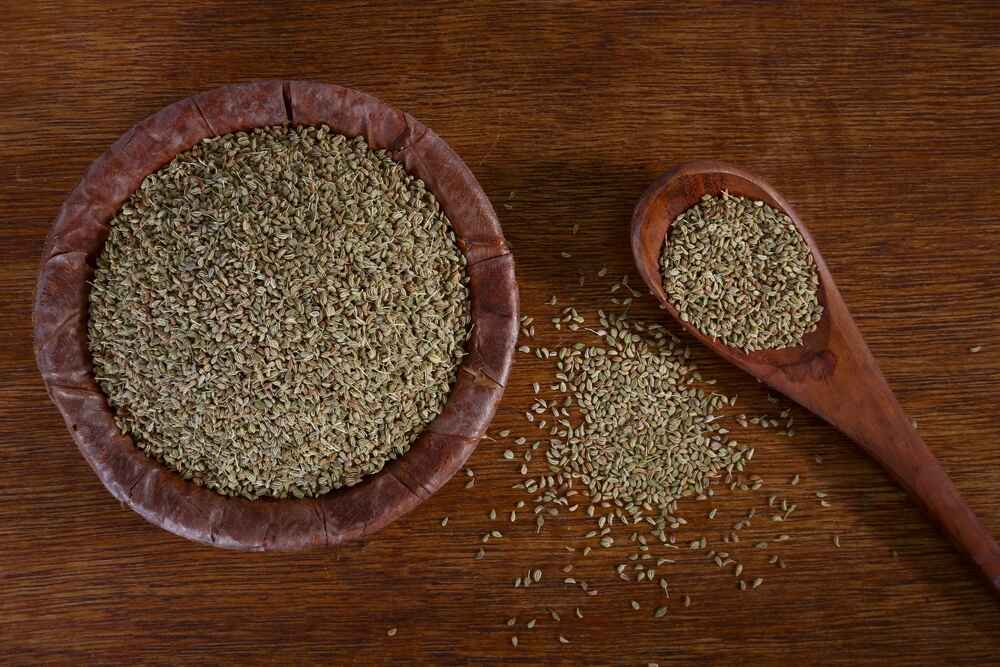
Health Benefits of Carom Seeds
1. Supports Digestion
One of the most well-known carom seeds benefits is its ability to improve digestion. The seeds stimulate digestive enzymes and promote gut health, making them a trusted Ayurvedic Treatment for Digestion, helping reduce:
- Bloating and gas
- Indigestion
- Mild acidity
How to use:
- Drinking warm carom seed water after meals can help soothe the stomach.
- Adding carom seed powder to dishes like lentils or parathas enhances digestion naturally.
2. Boosts Immunity
Regular intake of carom seeds can help strengthen the immune system due to their antioxidant and antimicrobial properties. These compounds help the body fight infections and protect cells from damage caused by free radicals.
- Sipping warm carom seed water or tea supports natural immunity.
- Massaging with ajwain oil may improve circulation, which in turn contributes to overall immune health.
Read More: Top 10 Ways to Boost Your Immunity
3. Supports Respiratory Health
Carom seeds have traditionally been used to alleviate respiratory issues such as congestion, cough, and mild asthma symptoms.
Practical tips:
- Boil a teaspoon of carom seeds in water and inhale the steam for relief from nasal congestion.
- Massage the chest gently with ajwain oil to ease breathing and soothe irritation.
4. Promotes Weight Management
Carom seeds can aid in weight management by improving digestion and reducing bloating. Drinking ajwain water before meals may help prevent overeating, while sprinkling carom seed powder in daily dishes can boost metabolism naturally.
Tip: Include a teaspoon of carom seeds in your morning diet routine for better digestion and metabolic support.
5. Relieves Pain and Inflammation
The anti-inflammatory properties of carom seeds make them useful for mild joint pain, headaches, and menstrual discomfort.
- Topical application of ajwain oil can help relieve sore muscles and joints.
- A paste made with ajwain powder and warm water can be applied to specific areas for relief.
6. Promotes Oral Health
Carom seeds have natural antibacterial properties that make them useful for oral hygiene:
- Reduces bad breath
- Helps prevent dental infections
- It can be used as a mild remedy for toothaches
Tip: Chew a few seeds or rinse your mouth with ajwain water to keep your teeth and gums healthy.
7. Mental Wellness Benefits
Though less widely known, carom seeds may also support mild stress relief and mental clarity. Drinking ajwain water or a warm tea can have calming effects, helping with mild anxiety and promoting focus.
Ayurvedic Perspective
In Ayurveda, carom seeds are considered a warming spice that balances Vata and Kapha doshas. They are valued for:
- Supporting digestion and appetite
- Detoxifying the body
- Reducing excess mucus
Forms used in Ayurveda:
- Ajwain Water Benefits are leveraged for digestive support and mild detoxification.
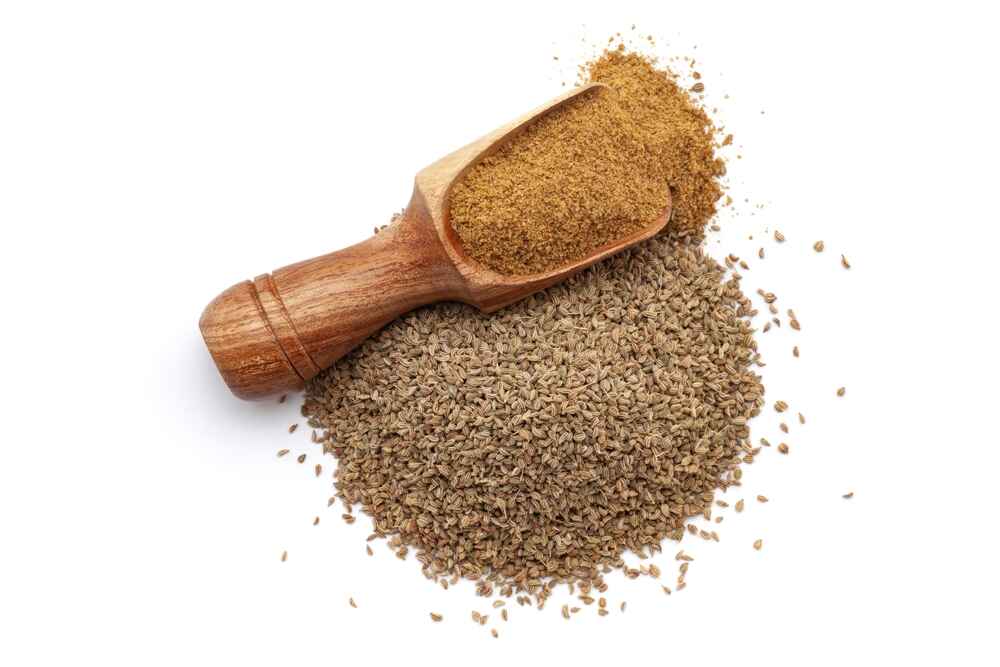
- Ajwain Powder is often included in foods or pastes for daily wellness.
- Ajwain Oil is used in massages to relieve joint and muscle discomfort.
Ajwain for Specific Health Concerns
While most people know carom seeds for their digestive and respiratory benefits, these tiny seeds have a remarkable range of effects for specific health issues. From easing discomfort to supporting metabolism, it is a versatile home remedy.
1. Kidney Health
Kidney stones can be extremely painful, and prevention is always better than cure. Carom seeds contain natural compounds that may help reduce calcium buildup in the kidneys and support toxin elimination. Drinking warm ajwain water regularly can encourage gentle flushing of the kidneys, potentially lowering the risk of stone formation over time.
2. Oral Health and Tooth Pain
Carom seeds are a natural antibacterial agent, making them effective for minor oral issues. Chewing a few roasted carom seeds or rinsing the mouth with ajwain-infused water can help fight bacteria that cause cavities, gum inflammation, and foul breath. Its natural warming effect can also provide mild relief from toothache discomfort.
3. Joint and Muscle Comfort
Ajwain can ease soreness from overexertion, long hours of work, or mild arthritis. A simple paste made from crushed carom seeds and warm water, applied to affected areas, can relax muscles and soothe stiff joints. For daily relief, ajwain oil massages can improve circulation and reduce mild inflammation.
4. Menstrual Comfort
The warming nature of ajwain can help ease abdominal cramps during menstruation. Drinking a cup of warm ajwain water or herbal tea can relax the muscles, improve blood flow, and reduce discomfort, helping you feel more comfortable during your period.
5. Heartburn and Acid Reflux Relief
If you frequently experience burning sensations or indigestion after meals, ajwain can be a gentle remedy. Its natural properties help neutralise excess stomach acids, providing quick relief from heartburn and occasional acid reflux. A cup of ajwain water after a heavy meal is an effective, easy-to-make remedy.
Ajwain is a small seed with a big impact. From supporting kidney function and oral health to easing menstrual cramps, heartburn, and muscle aches, it’s a versatile remedy that deserves a spot in every kitchen or home remedy kit. Regular use, whether as ajwain water, ajwain powder, or ajwain oil, can provide consistent support for multiple health concerns naturally and safely.
How to Use Carom Seeds Daily
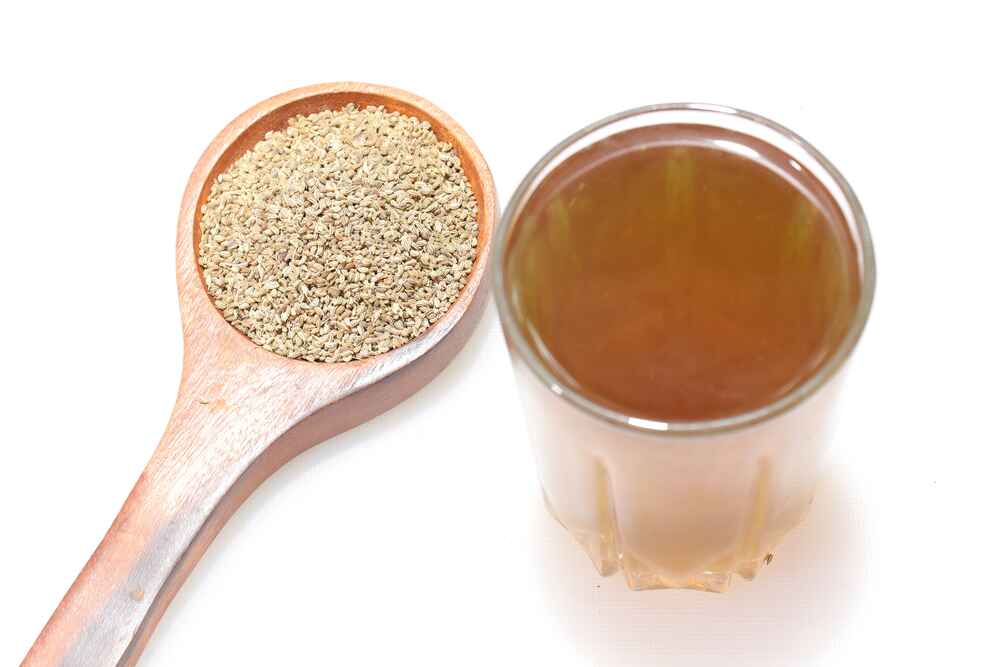
1. Ajwain Water
- Boil 1 teaspoon of seeds in water for 5–10 minutes.
- Strain and drink warm to ease digestion, reduce bloating, and support immunity.
2. Cooking
- Whole carom seeds or ajwain powder can be added to dals, breads, parathas, curries, and snacks.
- Regular use provides subtle health benefits, along with flavour.
3. Ajwain Oil
- Use topically for sore muscles, joint discomfort, or mild respiratory congestion.
4. Home Remedies
- Cough and Cold: Steam inhalation with carom seeds
- Acidity: Chew seeds or drink ajwain water
- Bloating: Add ajwain powder to warm water before meals
5. Dosage Guidelines
- Adults: 1–2 teaspoons of carom seeds or 1 cup of ajwain water daily
- Children: Half the adult dosage
- Avoid overconsumption to prevent heartburn
Scientific Studies Supporting Ajwain
Recent studies have validated many traditional uses:
- Digestive Support: Thymol in carom seeds stimulates gastric juices
- Antimicrobial Properties: Effective against bacteria and fungi
- Antioxidants: Reduce oxidative stress and support overall wellness
These findings support both traditional and modern uses of carom seeds in daily health practices.
Ajwain vs Other Ayurvedic Herbs
| Herb | Key Benefits | Digestive Support | Respiratory Support | Anti-Inflammatory | Typical Use |
| Ajwain (Carom Seeds) | Aids digestion, soothes the stomach | It stimulates digestive fire and reduces gas and bloating | Helps clear congestion and mild cough | Mild anti-inflammatory for joints and muscles | Whole seeds, ajwain powder, ajwain water, or ajwain oil |
| Fennel (Saunf) | Helps with respiratory issues, clears mucus | Helps with respiratory issues, clears mucus | Limited | Mild | Chewed after meals, teas, or cooking |
| Cumin (Jeera) | Enhances digestion, supports metabolism | It boosts digestion and reduces gas | Limited | Mild | Anti-inflammatory, antioxidant, and immunity |
| Ginger (Adrak) | Anti-inflammatory, immunity booster, relieves nausea | Improved digestion reduces bloating. | Anti-inflammatory, antioxidant, and immunity | Strong anti-inflammatory | Fresh, powdered teas, or juices |
| Turmeric (Haldi) | Anti-inflammatory, antioxidant, immunity | Mild digestive aid | Limited | Strong anti-inflammatory | Powder in food, golden milk, or capsules |
Key Takeaways:
- Ajwain is unique for its heating, pungent nature and ability to support both digestion and respiratory health, while other herbs may focus mainly on cooling, digestion, or anti-inflammatory effects.
- Its versatility allows use in cooking, beverages, or topical applications, making it easy to include in daily routines.
- Combining carom seeds with herbs like ginger or fennel can provide enhanced benefits for digestion and overall wellness.
Is Ajwain Safe? Who Should Use It Cautiously?
Carom seeds are generally safe when used in cooking or in small home remedies. For most people, incorporating carom seeds into meals or drinking ajwain water occasionally poses no risk. However, like any potent herb, moderation is key. Too many carom seeds may lead to mild discomfort.
Possible Side Effects of Overuse
While rare, consuming excessive carom seeds can sometimes cause:
- Mild nausea or an upset stomach
- Headaches or dizziness
- Increased acidity or heartburn
People with sensitive stomachs or chronic acid reflux should start with tiny amounts and observe how their body reacts.
Precautions
- Pregnant or breastfeeding women should consult a healthcare professional before using medicinal amounts of ajwain.
- Those with severe digestive issues or ulcers should use carom seeds carefully and in moderation.
- If you experience irritation or discomfort, reduce the amount or discontinue use temporarily.
Ajwain is a powerful and versatile seed, but its effects are strongest when used mindfully. Incorporating it gradually and observing your body’s response ensures that you enjoy its benefits safely.
Read More: Healthy Winter Habits to Prevent Weight Gain
Conclusion
Small in size but mighty in benefits, carom seeds are a true powerhouse of natural wellness. From supporting healthy digestion and boosting immunity to easing muscle and joint discomfort and promoting respiratory comfort, it offers a holistic approach to everyday health.
Incorporating it into your routine is simple and versatile — whether through warm ajwain water, sprinkling ajwain powder on meals, or using ajwain oil for gentle topical relief. Its unique Ayurvedic properties make it a timeless remedy that fits seamlessly into modern lifestyles.
At Arogyadham Health and Wellness Centre, we encourage embracing natural remedies like ajwain as part of a balanced and mindful wellness routine. By including carom seeds in your daily practices, you can nurture your body naturally and experience their remarkable health benefits in a safe, effective, and holistic way.
Frequently Asked Questions
1. Is it safe to consume ajwain during pregnancy?
Ans: Small amounts of food are acceptable, but avoid medicinal doses. Consult a healthcare expert before using ajwain water or remedies.
2. What are the benefits of eating ajwain daily?
Ans: It can support digestion, reduce bloating, and mildly boost metabolism when taken in moderation.
3. Is ajwain warming or cooling for the body?
Ans: Ajwain is warming. It improves circulation, reduces mucus, and aids digestion.
4. Who should avoid ajwain?
Ans: Pregnant or breastfeeding women, people with sensitive stomachs, and those on blood-thinning medicines should use it cautiously.
5. Can ajwain help with digestion and bloating?
Ans: Yes, drinking ajwain water or adding ajwain powder to meals can ease gas and improve digestion.
This article is for general information and is not medical advice. If you have a respiratory or heart condition, are pregnant, or are unsure whether these practices suit you, please speak to your doctor before beginning.
- What Is Thyroid? Symptoms, Causes, Tests and Ayurvedic Treatment Explained

- Urinary Tract Infection (UTI): Symptoms, Causes, Treatment & Why UTIs Keep Coming Back

- What Is Shilajit? Real Benefits, Safe Dosage & How to Avoid Fakes

- पेट की चर्बी कम करने के आयुर्वेदिक उपाय

- Moringa vs Multivitamin – Which Is Best for Your Health?

Ready to Heal Naturally?


Share With
Friends

Dr. Rakesh Agarwal, a third-generation Ayurveda expert and research scholar, treats chronic ailments through Ayurveda and Panchakarma. He is also the founder-editor of Arogyadham Magazine, promoting Ayurveda and wellness to over a million readers since 1992.






Dr. Arjun Raj, an Ayurvedic physician and wellness expert, is the Director of Arogyadham Health Care and serves on the executive board of Arogyadham Health and Wellness. He blends traditional Ayurveda with modern wellness to promote balanced, healthy living.

Dr. Amrit Raj, an Ayurvedic doctor and certified yoga teacher, is the Director of Arogyadham Health and Wellness. He specializes in chronic conditions and actively promotes Ayurveda and yoga worldwide for healthier living.