

Moringa vs Multivitamin – Which Is Best for Your Health?
- Home
- /
- Ayurvedic Medicines
- /
- Moringa vs Multivitamin –...
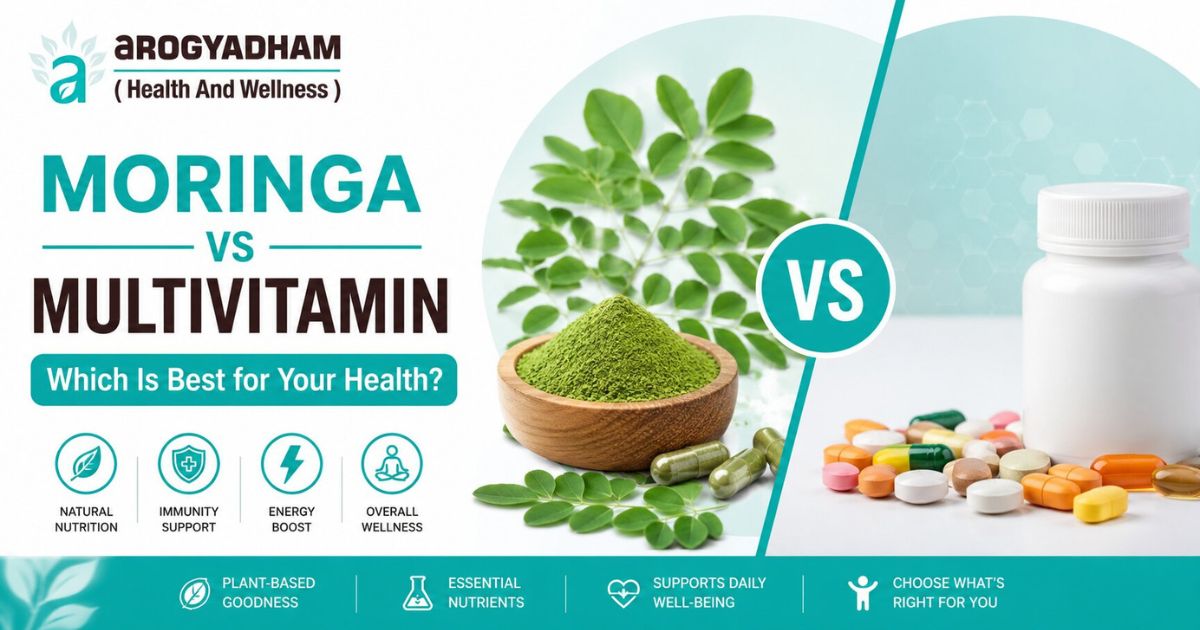
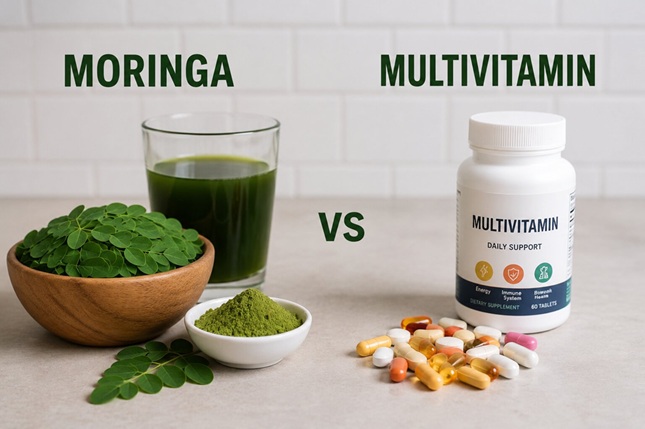
Moringa vs Multivitamin, choosing between these two popular supplements can be genuinely confusing. Life today is busy. Between work, family, and everything in between, eating a perfectly balanced meal every single day is honestly quite hard. That’s why so many of us look for a little extra help, whether that’s a daily multivitamin from the pharmacy or a scoop of green moringa powder stirred into a morning smoothie.
But which one is actually worth it? And do you even need both? The truth is moringa and multivitamins promise better energy, stronger immunity and improved overall health, but they work in different ways.
So before you spend money on either, it’s worth understanding what each one actually does for you. In this guide, we will explain everything to you in clear terms so you can make the right choice for your body and your lifestyle with insights from Arogyadham Health and Wellness.
What Exactly is Moringa?
Moringa, known as Moringa oleifera, is a tree that grows in tropical countries like India and parts of Africa. People have been eating its leaves for thousands of years, long before “superfoods” became a trend.
If you have ever wondered what is moringa, it is a nutrient-rich plant packed with vitamins, minerals and antioxidants that support overall wellness.
It’s sometimes called the “miracle tree”, and honestly, that nickname makes sense. Almost every part of the tree can be used: the leaves, the pods, even the seeds. But it’s the leaves that pack the biggest nutritional punch.
You can find moringa today in a few handy forms:
- A green powder you add to smoothies, tea or food
- Easy-to-swallow capsules
- Herbal tea bags
- Fresh leaves

Health Benefits of Moringa
1. Gives Your Immune System a Boost
Moringa is packed with natural plant compounds that help your body fight off infections. Think of it as giving your immune system a daily pep talk, quietly working in the background to keep you well.
2. Fights Tiredness and Low Energy
Feeling sluggish by midday? Moringa is a good source of iron and essential amino acids — the building blocks your body uses to produce energy. Unlike a cup of coffee, it doesn’t give you a spike followed by a crash. Many people also explore the benefits of moringa because of its ability to naturally support energy and stamina.
3. Keeps Your Digestion Happy
Moringa is rich in fibre, which helps food move smoothly through your digestive system. If you often feel bloated after meals, then adding moringa to your routine could make a real change over time. Some of the well-known moringa powder benefits are linked to digestion and gut health support.
4. May Help Balance Blood Sugar
Early research suggests that moringa could help keep blood sugar levels more stable, which is particularly interesting for people managing or looking to prevent type 2 diabetes.
5. Protects Your Cells From Damage
Every day, your cells face stress from pollution, a poor diet, and just the normal process of living. Moringa’s antioxidants help neutralise that damage, supporting long-term health from the inside out.
Read More: Top 10 Ways to Boost Your Immunity
What’s a Multivitamin?
A multivitamin is a pill that consists of all the essential vitamins and minerals your body needs in one convenient daily dose. Think of it as a nutritional safety net that is designed to fill in the gaps when your diet isn’t quite covering everything. In the Moringa vs Multivitamin comparison, this is what sets them apart.
Doctors and nutritionists recommend them for people who eat restrictive diets, have certain health conditions, are pregnant or simply don’t get enough variety in their meals.
Multivitamins come in all shapes and sizes:
- Classic tablets or capsules
- Tasty gummies
- Effervescent tablets
- Flavoured powders
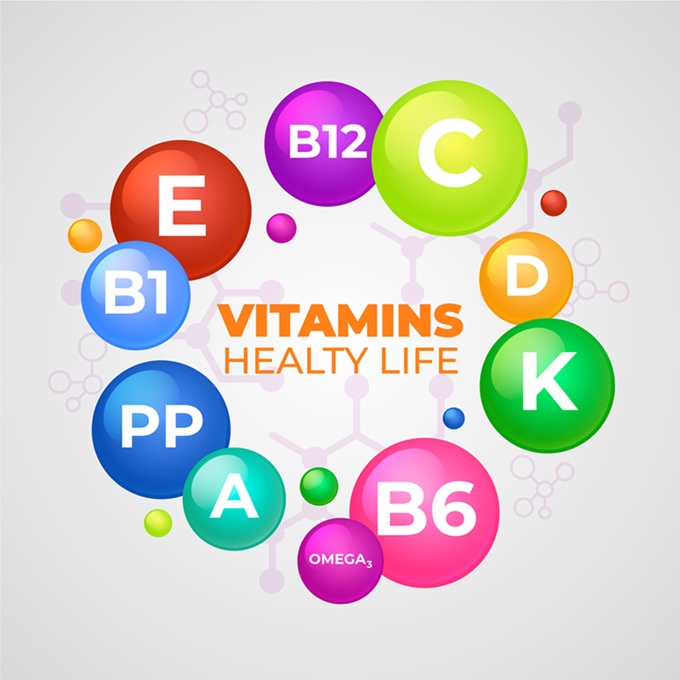
Health Benefits of Multivitamins
Multivitamins might not sound as exotic as moringa, but don’t underestimate them. For millions of people around the world, that one small daily tablet makes a genuinely meaningful difference. Here is the reason why:
1. Fills the Gaps in Your Diet
Multivitamins are designed exactly for this reality. When your meals are missing certain vitamins or minerals, a good multivitamin quietly steps in and covers what’s missing.
2. Simple and Hassle-Free
One tablet, once a day, and that’s it. You don’t need to cook anything or blend anything. For busy people, that kind of simplicity is genuinely valuable.
3. Tailored to Specific Life Stages
This is where multivitamins really shine because different people have different nutritional needs. A pregnant woman needs extra iron, an elderly person needs more Vitamin D and B12, and someone recovering from illness needs nutrients to heal faster. For vegetarians and vegans, B12 is a particular concern since it’s mostly found in animal products. A good multivitamin helps fill these gaps, wherever you are in life.
4. Easy to Find, Easy to Afford
From your local pharmacy to the supermarket shelf, multivitamins are widely available in all kinds of formats — tablets, capsules, gummies, and fizzy drinks. You can find a good option at almost any budget.
Nutritional Comparison Table: Moringa vs Multivitamin
| Nutrient/Benefit | Moringa | Multivitamin |
| Vitamin A [Good for Eyes] | Good natural source of beta carotene | Standardised dose included |
| Antioxidants | Very high | Low to moderate |
| Vitamin C [Fights Sickness] | Contains vitamin C | Usually provides a stable and fixed dose |
| Vitamin D [Sunshine Vitamin] | Naturally absent | Commonly included [doses vary by brand] |
| Vitamin B12 [Energy and Brain] | Almost None | Commonly included |
| Calcium [Strong Bones and Teeth] | Contains calcium but absorption may vary | Included in controlled amounts |
| Iron [Healthy Blood] | Naturally plant source | Included in many formulations |
| Protein [Builds Muscles] | Contains plant protein | Not present |
| Fibre [Happy Tummy] | Contains dietary fibre | Not present |
Can You Use Both?
Yes, they complement each other perfectly. Moringa covers whole food nutrition, while a multivitamin covers only specific gaps, like vitamin B12, zinc, etc. This Moringa vs Multivitamin combination can give you the best of both worlds.
Are There Any Side Effects?
Here is the honest truth: almost anything, even the healthiest food in the world, can cause problems if you take too much of it. Both moringa and multivitamins are generally safe when used sensibly. But it’s worth knowing what to watch out for
Moringa Side Effects
Moringa is generally safe, but excessive intake may cause the following:
- Mild stomach upset
- Nausea in sensitive individuals
- Lower blood pressure in some cases
Multivitamin Side Effects
Overuse or incorrect dosage may lead to:
- Vitamin toxicity (especially A, D, E, K)
- Mineral imbalance
- Nausea or digestive discomfort
Conclusion
So, Moringa vs. Multivitamin – which one wins?
Honestly, neither, and that is actually good news. If you love the idea of getting your nutrients from nature from a real plant that has been trusted for centuries, moringa is a beautiful choice. It nourishes your body the way food does. If your days are hectic, your meals are unpredictable, or your doctor has flagged a specific deficiency, a multivitamin is your reliable friend. One tablet a day and the gaps in your nutrition are covered.
Moringa and multivitamins can absolutely be part of that picture. But they work best when they support a healthy lifestyle, not replace one.
Start small, stay consistent and always listen to your body. And if you’re ever unsure about what’s right for you, your doctor is always the best person to ask.
Frequently Asked Questions
Can I take moringa and multivitamins together?
Yes, but it is best to consult a professional doctor to avoid nutrient overlap.
Is moringa better than multivitamins?
Multivitamins are better for correcting deficiencies, while moringa is better for natural nutrition
How long does moringa take to show results?
Results may vary, but many people notice changes in energy and digestion within a few weeks.
Do I still need multivitamins if I eat a healthy diet?
Not always. A balanced diet may reduce the need for supplements, but some individuals still require them.




Ready to Heal Naturally?


Share With
Friends

Dr. Rakesh Agarwal, a third-generation Ayurveda expert and research scholar, treats chronic ailments through Ayurveda and Panchakarma. He is also the founder-editor of Arogyadham Magazine, promoting Ayurveda and wellness to over a million readers since 1992.






Dr. Arjun Raj, an Ayurvedic physician and wellness expert, is the Director of Arogyadham Health Care and serves on the executive board of Arogyadham Health and Wellness. He blends traditional Ayurveda with modern wellness to promote balanced, healthy living.

Dr. Amrit Raj, an Ayurvedic doctor and certified yoga teacher, is the Director of Arogyadham Health and Wellness. He specializes in chronic conditions and actively promotes Ayurveda and yoga worldwide for healthier living.